You think you've finally found your dream home and your offer has already been accepted, which means you’re heading into the inspection. You’re already halfway through the process!
However, since buying a home is one of the largest investments you can make, a comprehensive home inspection is also one of the most critical steps in this process. A professional inspection helps uncover hidden problems that may not be visible during a casual walkthrough—issues that could cost thousands of dollars in repairs and even compromise the home’s safety and livability.
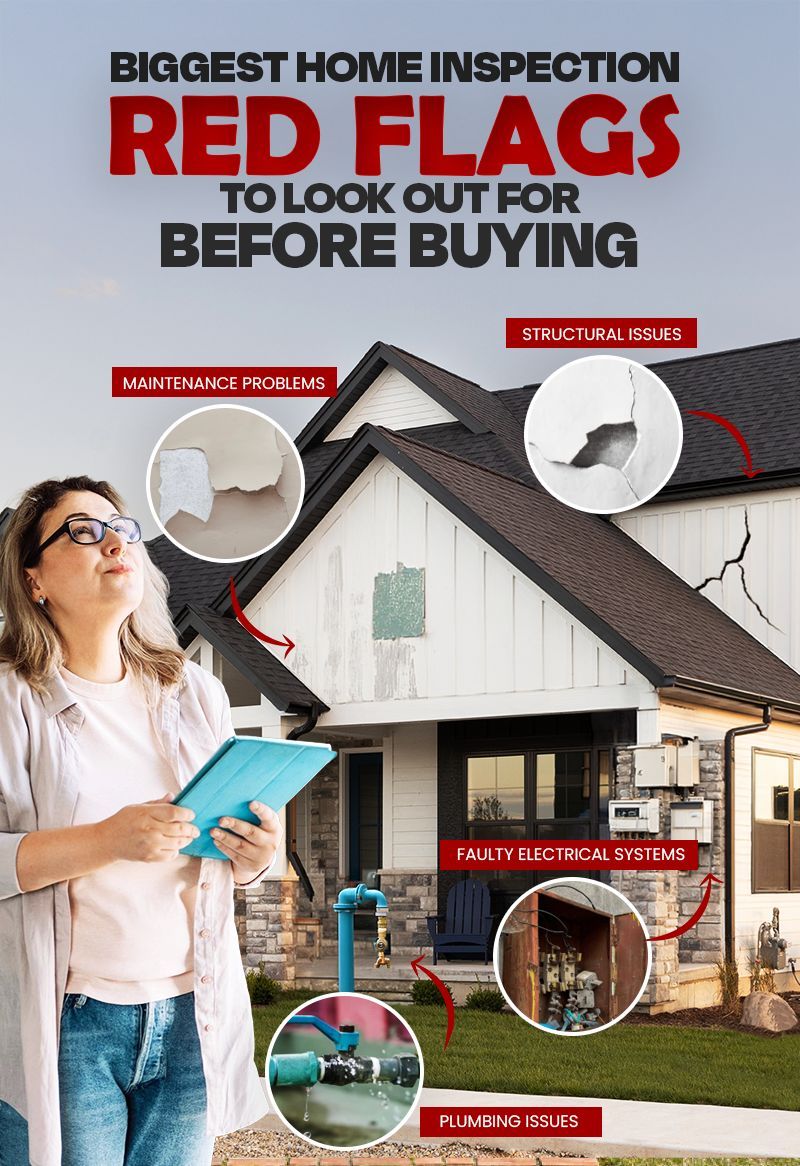
From structural defects to pest infestations, certain warning signs detailed in the inspection report can reveal underlying risks that every buyer should take seriously. Here are the top five red flags you should watch out for.
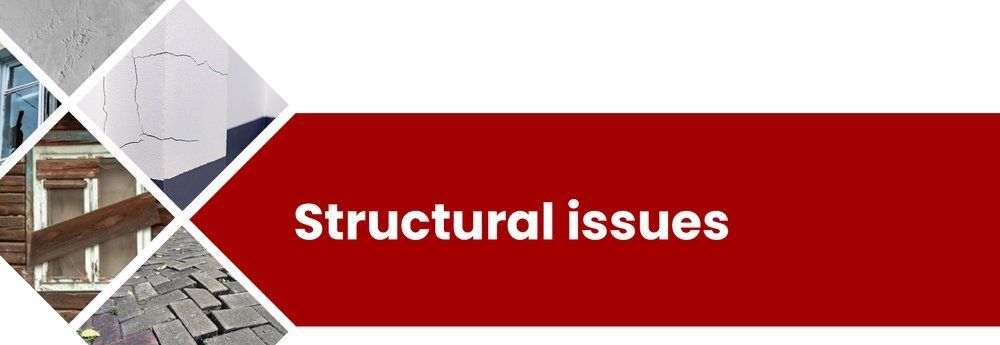
The foundation serves as the home's central support system, keeping the building stable. Foundation problems are worrisome because they will end up affecting all parts of the housing structure.
Warning signs to look out for:
-
Large, horizontal cracks in the walls or floors
-
Uneven or sloping floors, or floors that incline noticeably along one side
-
Doors and windows that don’t close properly or have visible gaps
-
Sagging walls or ceilings
Once the inspection report is available, see if there are any mentions of foundation problems through statements like “cracks in the foundation, “uneven flooring,” or “settling,” among others. Vertical, hairline cracks are usually less concerning, unless they are large enough to stick a coin into. Still, pay attention to any of these red flags and discuss them with your home inspector.
Foundation repairs may cost you from $5,000 to $40,000, depending on the fault’s complexity. Some issues may even compromise the very structure of the house, which is why it’s critical to get it assessed by a foundation expert before deciding whether to go ahead with your purchase.

Another major concern to keep an eye on is water damage or drainage issues, which can indicate deeper structural and maintenance problems. Water in the home can warp wood, peel paint, and even weaken the structure of the house.
Warning signs to look out for:
-
Unsightly brown or yellow water stains on the ceiling and walls
-
Peeling paint
-
Bad, musty smells in the basement
-
Water pooling near the home's foundation
Finding water stains during the home inspection could be a huge money pit red flag since leaks and water damage can be very costly to repair. If a home has been flooded, it could also cause excess moisture in the home that can lead to mold and even compromise the integrity of the foundation. A history of flooding can also make it harder to get affordable homeowners' insurance or certain types of coverage, signing you up for potential headaches later on when you close.
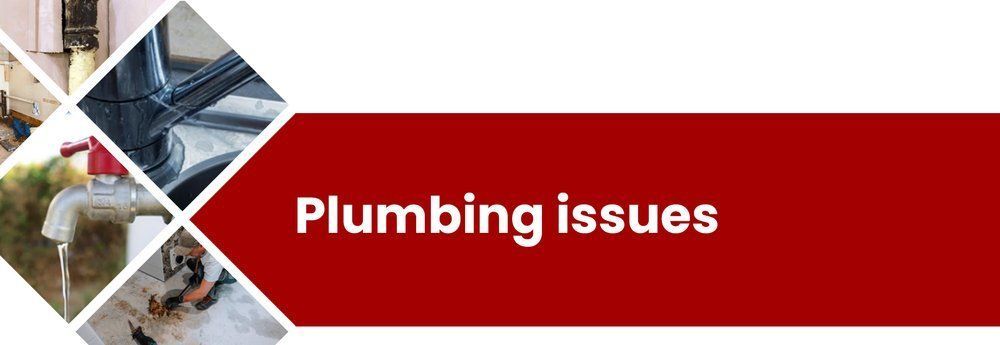
Plumbing is one of the most essential systems in any home, yet it's often overlooked until serious issues arise. Common plumbing problems in homes stem from cracked water pipes, the use of aged plumbing systems, and inadequate water pressure systems.
Warning signs to look out for:
-
Leaks that affect the faucets, pipes, and toilets
-
Low water pressure
-
Water damage in bathrooms, kitchens, and foundations.
-
Visible rust or corrosion on exposed pipes
Minor plumbing problems are easier to fix, such as replacing the mechanism on a running toilet. However, the big ones require investment of time and money. You may need to shell out $150 to $1,000 for plumbing repairs, or even more if the issue is more extensive. And since plumbing is being used around the home daily, any issues that have been neglected can potentially lead to water damage, mold problems, and expensive repairs down the line.
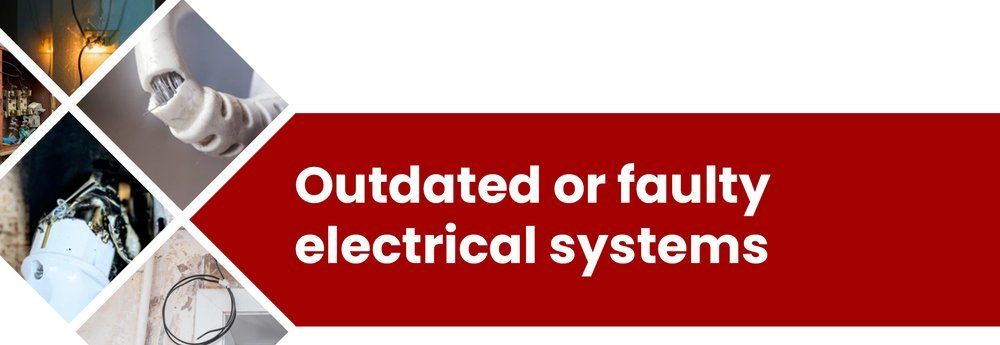
Electrical flaws are among the riskiest problems in a residential property. Wiring issues in a home aren't only expensive to fix, but outright dangerous since they can lead to house fires, electrocution incidents, and electricity breakdowns.
Warning signs to look out for:
-
Exposed or frayed wires
-
Burn marks, discoloration, or warmth around outlets and switches
-
Improper splicing or taped wires caused by DIY electrical work
-
Sparking or buzzing sounds when plugging in appliances
-
Old fuse boxes or outdated electrical panels
Older homes are especially susceptible to wiring issues and electrical systems that just no longer work with modern appliances. If a home you’re looking to buy has faulty wiring or unsafe electrical, it might need to be fully replaced according to the latest safety codes before moving in. Homeowners' insurance policies often need to have it checked as well before issuing a policy.
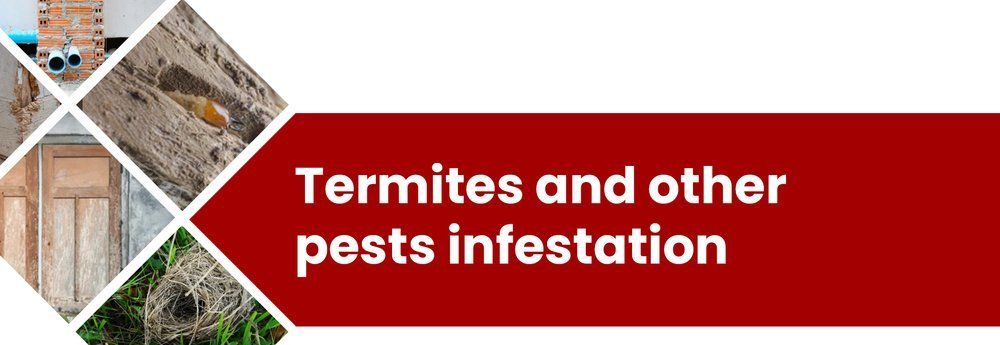
Lastly, another red flag to look out for during an inspection is signs of termites, mice, carpenter ants, and other pests around the home. These pests are not only annoying but can eventually cause structural damage, deterioration, and health risks.
Warning signs to look out for:
-
Chewed vents, gnaw marks, droppings, or nests
-
Wood that produces a hollow sound when tapped
-
Mud tubes running from the foundation to the walls
-
Crumbling and soft areas of wood near the foundation and attic
Home inspection reports indicating termite infestation should ring a bell, as these pests may be tiny but can inflict serious damage on property structures. And exterminating them is just the first step. Termite damage repair expenses can range from $3,000 to $4,000 on average, depending on the extent of the damage.
How to handle home inspection red flags
When your inspection report reveals major problems and other potentially concerning issues in the home you're looking to buy, don’t fear, as you still have several options. The best thing to do is to consult licensed professionals for supplementary assessments and get help from your real estate agent to navigate the next steps. Then you can:
-
Negotiate with the seller to pay for repairs, especially for those safety hazards; or
-
Request a price reduction to cover repair costs.
-
Walk away from the deal if the issues are too severe or overwhelming for you.
While no home is perfect, understanding these red flags can help you make an informed decision about which issues are manageable for you, and which could be absolute deal-breakers. These may all depend on your timeline, financial situation, and risk tolerance.