Saying that shopping for a home can be overwhelming is an understatement. You must consider various factors, including location, neighborhood, layout, number of bedrooms and bathrooms, and even school districts. Not to mention that you need to evaluate essential features such as storage, amenities, or even finishes on the newly renovated kitchen.
But savvy home buyers know that some of the most important things to check are the ones you don't admire at first glance, such as the age of the roof, the stability of the foundation, or, in this case, the condition of the home’s HVAC system.
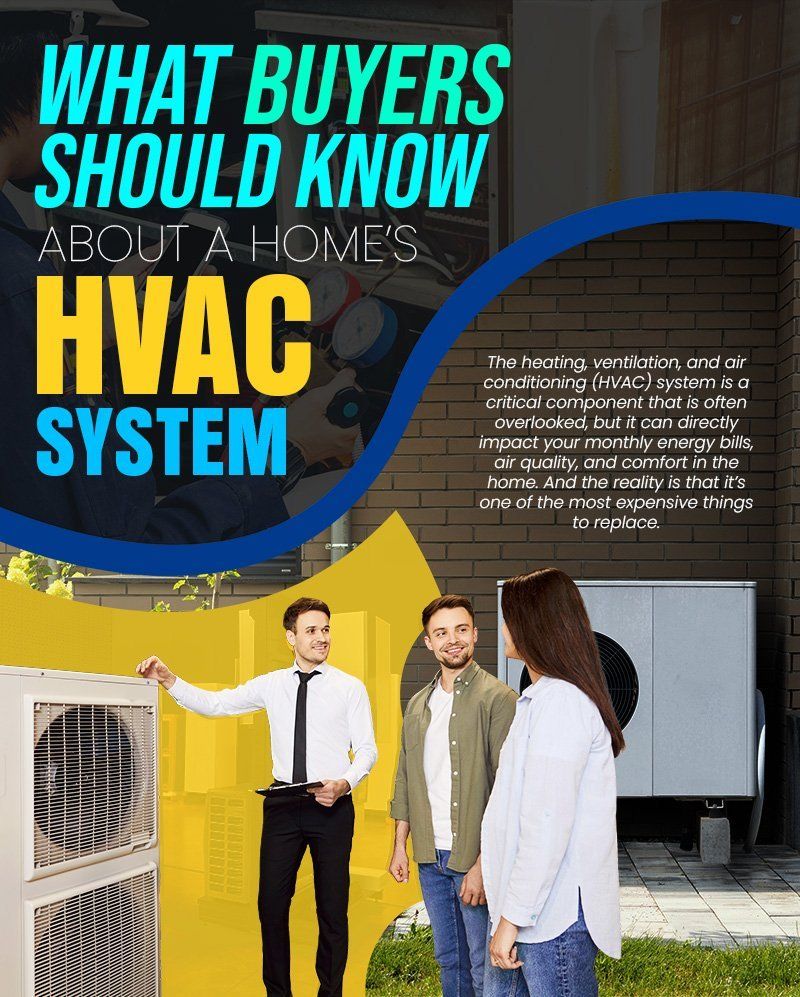
The heating, ventilation, and air conditioning (HVAC) system is a critical component that is often overlooked, but it can directly impact your monthly energy bills, air quality, and comfort in the home. And the reality is that it's one of the most expensive things to replace. If it breaks as soon as you move in, brace yourself not only for an uncomfortable stay but also for a steep out-of-pocket cost.
Before deciding whether to make an offer on your dream home, here are some things you should check to ensure that the HVAC system is in good condition:
During home showings, it's important to determine the type of HVAC in the home. The most common type of system uses a forced air furnace for heating and a central air conditioner for cooling. Meanwhile, many older homes have a forced air furnace but no central AC. Modern homes might have high-tech ductless mini-split systems, while other homes use boilers and heat pumps. Some homes have combined heating and cooling equipment, while others have separate units. Also, find out what brand the system is and check its reputation for reliability.
Likewise, you’ll want to consider the home’s power source. Does it use a gas or electric furnace? Gas furnaces typically have lower fuel costs but are more expensive to install, while electric furnaces typically have easier and less expensive installation and maintenance but higher fuel costs.
Each system has its own advantages and disadvantages, and understanding the type of system in the home you’re looking to buy will help you determine the type of maintenance required to keep it running efficiently. A well-maintained system will keep you comfortable and safe, lower your energy use and costs, and protect your investment. If you’re unsure or need more accurate information about the type of system the home has, it’s better to consult an HVAC specialist.
This is essentially the most important, as the age of the HVAC system can be a strong indicator of its efficiency and how soon it will need to be replaced. With proper maintenance, most systems have an average lifespan of:
-
Heat pumps and air conditioners: 10-15 years
-
Furnaces: 15-20 years
-
Boilers: 15-30 years
Also, keep in mind that most HVAC systems that are over ten years old are significantly less efficient than newer units being manufactured and installed today.
To find out the age of the HVAC, check the unit itself as it contains the model number and serial number—information that will tell you exactly how old the system is.
But just because the system is considered old, it does not always mean it needs to be replaced. The biggest factors that affect the lifespan and efficiency of an HVAC unit are the quality of its installation and how well it has been maintained. An HVAC system that has been regularly serviced is more likely to be in good condition.
If you're serious about a particular house, ask the seller if you can see the installation, maintenance, and repair history of the HVAC system. Check for records of annual tune-ups, filter changes, and major repairs or parts replacement. Also, don’t forget to ask if the unit was installed by a reputable company, and whether the services and repairs were done by a trained HVAC technician. Knowing these things matters because if you do purchase the home, the documentation can be helpful for future repairs.
Related to the age of the HVAC system is the question of whether or not it's still under warranty. Some units come with lifetime warranties, while others end as soon as the house sells. If you are told there is a warranty, will it transfer to a new owner? And what does the warranty cover? Finding out these details can help you determine if any future maintenance will be covered.
Likewise, you might want to check the energy efficiency rating of the current system. Furnaces and heating systems should have a strong AFUE (Annual Fuel Utilization Efficiency) rating (at least 90%), while cooling systems with high SEER (Seasonal Energy Efficiency Ratio) ratings are more desirable (SEER of 15 or higher). Consider the overall state of the HVAC system in terms of energy efficiency, as it can lead to manageable utility bills and a smaller environmental impact.
Lastly, be on the lookout for any physical signs that the HVAC system may need repairs or replacement soon. These may include:
-
Water marks
-
Visible rust, decay, or corrosion on the unit
-
Odd noises such as banging or rattling
-
Unpleasant odors coming from the vents
-
Uneven airflow throughout the home
-
Excessive dust
-
Frequent cycling on and off
Don't be afraid to check for these warning signs on the unit. Walk around the house so you can feel the difference in temperature and air or heat flow. Turn the unit on and take note of any strange noises or odd smells you experience, as these could indicate underlying issues that might lead to serious damage or a need for servicing.
Why an aging HVAC can be a deal breaker when you purchase a home
-
Financing complications - While an older but still functional HVAC unit might pass inspection, any signs of potential problems can cause delays or even disqualify the home from loan approval. This is especially true for government-backed mortgages, such as the FHA or VA loans, where homes need to meet certain livability standards.
-
Can lower a home's appraised value - A failing HVAC can drag down a home’s value, which is a huge deal regardless of the loan type. If the home doesn’t appraise for at least the purchase price, your lender might reduce the loan amount, forcing you to cover the difference or walk away from the deal entirely.
How to use the age of the HVAC system as a negotiating power
If your dream home's HVAC has been there for more than a decade or is nearing the end of its lifespan, you can use it as a negotiating point. Home sellers know that old HVAC systems can potentially scare away potential buyers, so you have more negotiating power than you think. You might want to consider asking the seller to replace the system prior to closing, or work out a deal where they will reduce the asking price for the home.
Before finalizing your offer, get a quote from a local HVAC company to better understand the cost of potential replacement. With a trusted real estate agent by your side, you can come to the negotiating table with real numbers and factor those into your offer.